
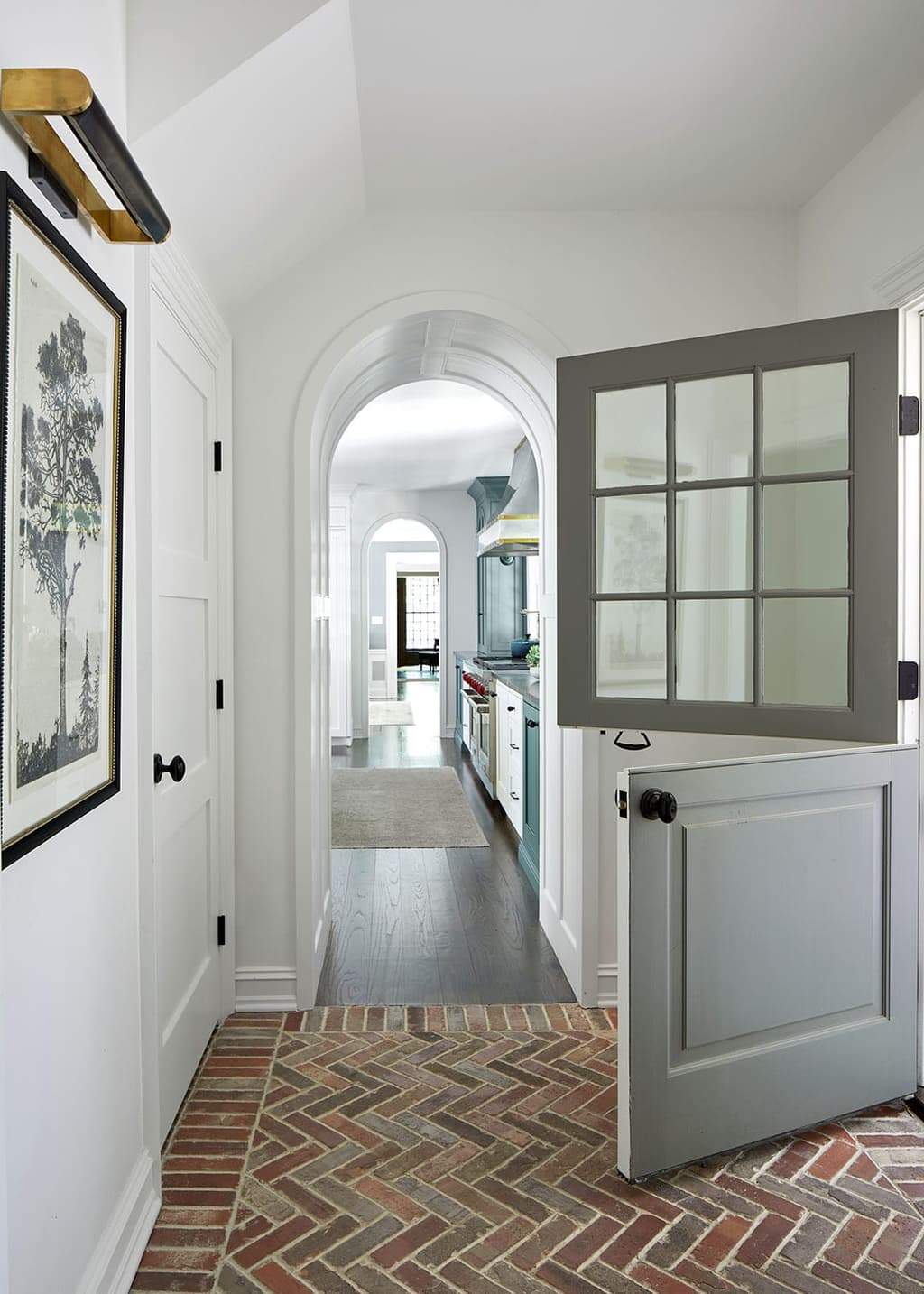
So what is a spec home (short for speculative home)?:
A new construction home built by a developer or builder without a specific buyer in mind, using pre-selected floor plans, finishes, and features intended to appeal to a broad market. These homes are typically pre-designed and built before the buyer’s offer. They are designed before the buyer is known, so the specification is set against a broad market rather than one household’s requirements.
By contrast, a custom home is designed and built around the land or homeowner’s preferences, needs, and lifestyle — from the individualized floor plan to the selections and finishes.
The Difference Is in the Details
Most homebuyers know the phrase “custom vs. spec,” but few fully understand how that choice affects daily living, resale value, and lasting home design. Here’s why the investment of a custom home goes far beyond square footage — and delivers a lasting experience and home built and designed for your lifestyle and aesthetic.
-
Built Around One Household’s Requirements
Spec Home: Designed for mass appeal and builder profit, with cookie-cutter layouts and preset finishes that prioritize budget and rapid sale over individuality.
MRCxEMD Custom Home: Every square inch is tailored to your family’s lifestyle — from flow and function to ceiling height and cabinet configuration. You’re not compromising, you’re curating with design and build experts.
-
Enduring Architectural Character — Not Trendy Templates
Spec Home: Follows whatever is selling at the time it is drawn, because that is what it has to be sold against.
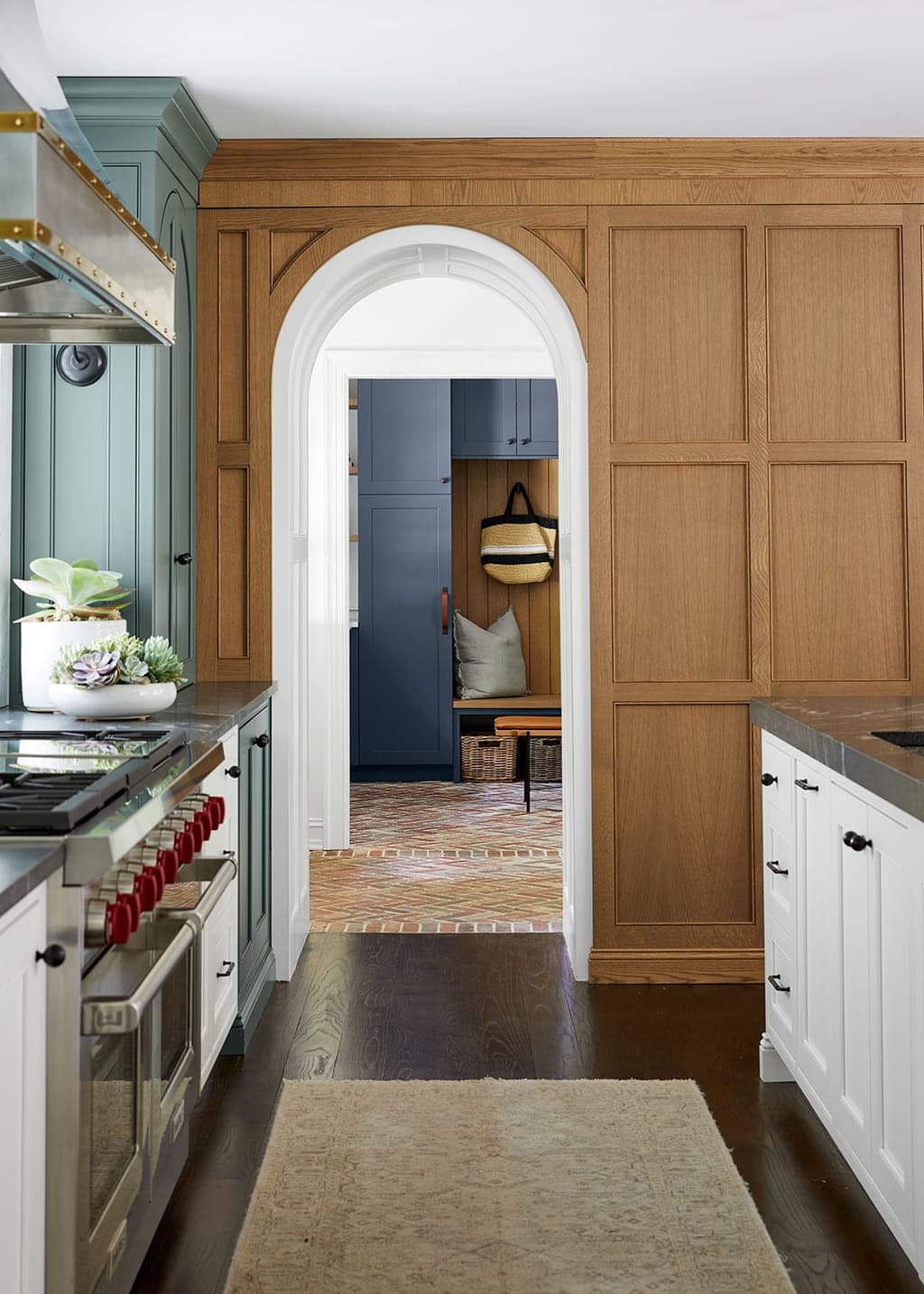
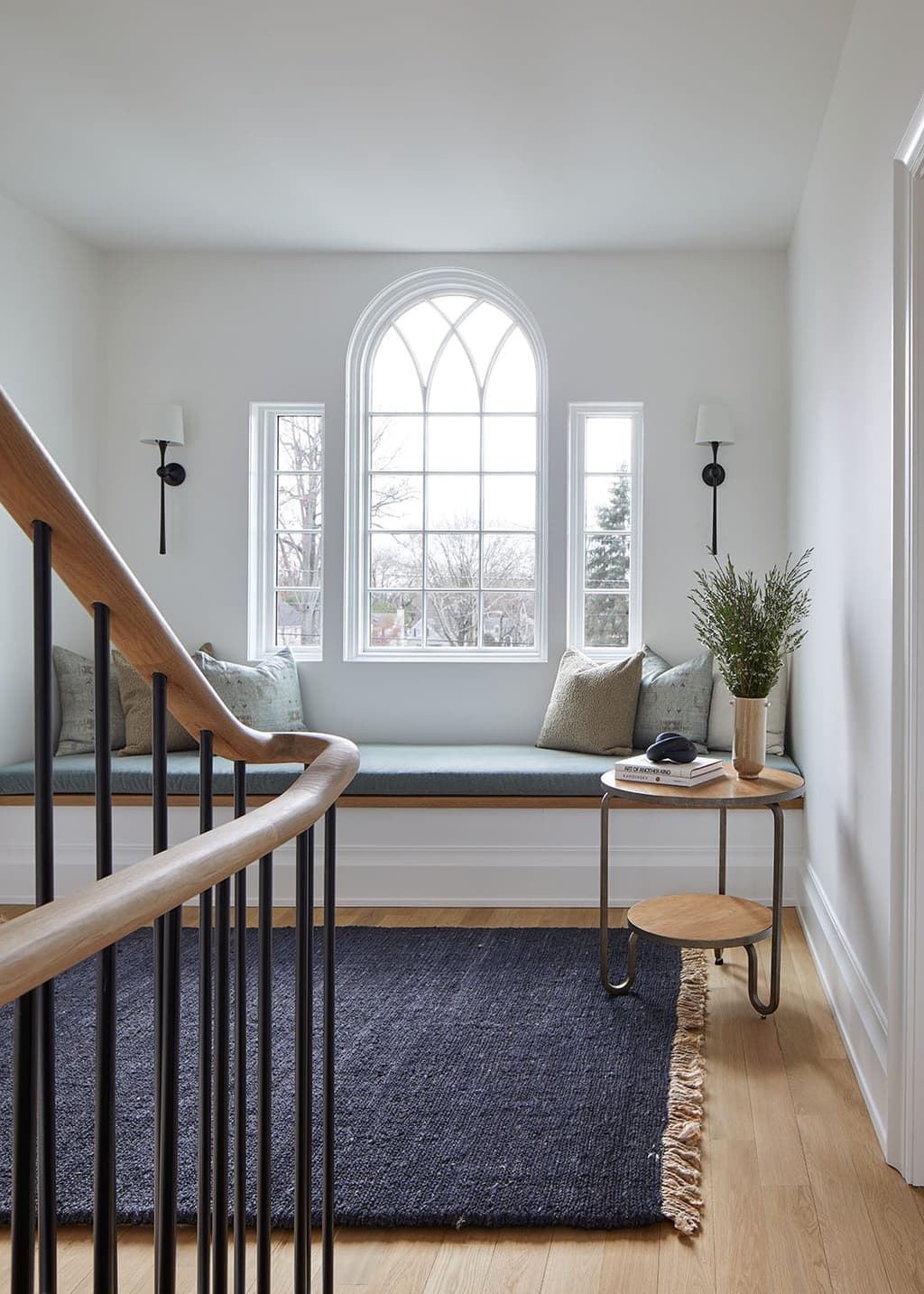
MRCxEMD Custom Home: Incorporates timeless architectural features like arched passageways, symmetrical millwork, statement staircases, and thoughtful room proportions — designed to feel classic, not cookie-cutter. Those decisions are made for the family who will live there rather than for a general buyer.
-
Seamless Collaboration Between Builder and Designer
Spec Home: Design decisions are made before a buyer is involved, so personalizing them afterwards means working within choices already built.
MRCxEMD Custom Home: With builder and designer under one roof, design decisions are woven into the construction process from day one. That means earlier budgeting and faster decision-making.
-
Premium Materials, Chosen with Purpose
Spec Home: Materials are selected at volume, before anyone knows which rooms this household will actually live in.
MRCxEMD Custom Home: Every fixture, stone, and finish is chosen not just for beauty, but for performance, longevity, and how it works with the overall design, architecture and lighting to create a cohesive aesthetic. No shortcuts.
-
Investment in Lifestyle, Legacy, and Resale
Spec Home: Built quickly, sold fast. Often indistinguishable from nearby homes.
MRCxEMD Custom Home: Becomes a lasting legacy. The level of craftsmanship and design quality sets your home apart in resale and market value — and enhances how you live every day. You’re building something lasting, livable, and truly yours.
Questions this raises
What is the practical difference between a spec home and a custom home?
A spec home is generally developed for sale with many decisions already made. A custom home is planned for a particular client and property. Compare the fit, available choices and full investment of each option; neither label alone tells you the quality of the home.
How should we compare the investment?
Compare what is included and what you would still need to change or complete. For custom construction, include the property and full project scope. For a purchase, consider alterations and completion costs alongside the purchase price.