
The path to build the home of your dreams in towns like Summit, Chatham and Westfield
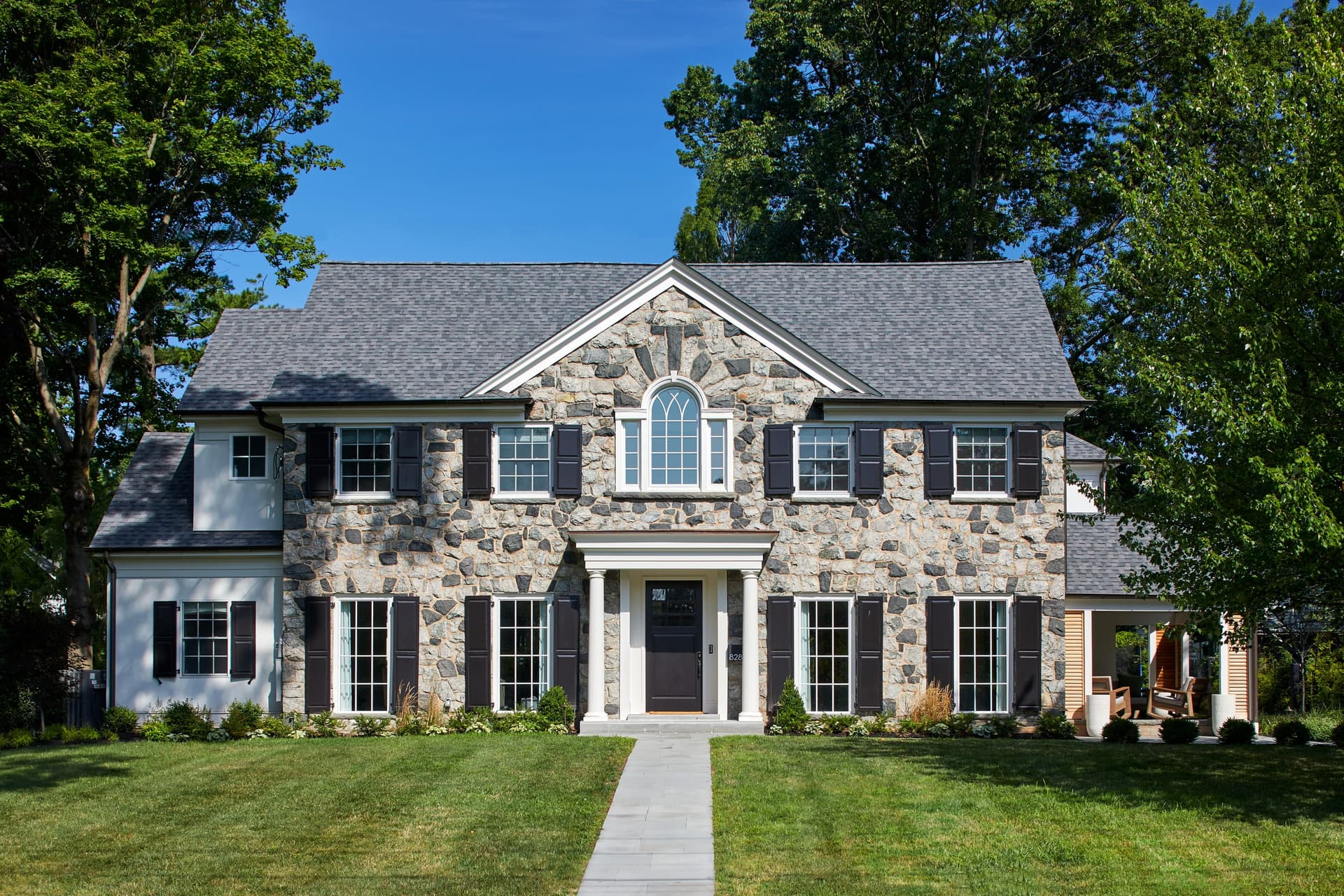
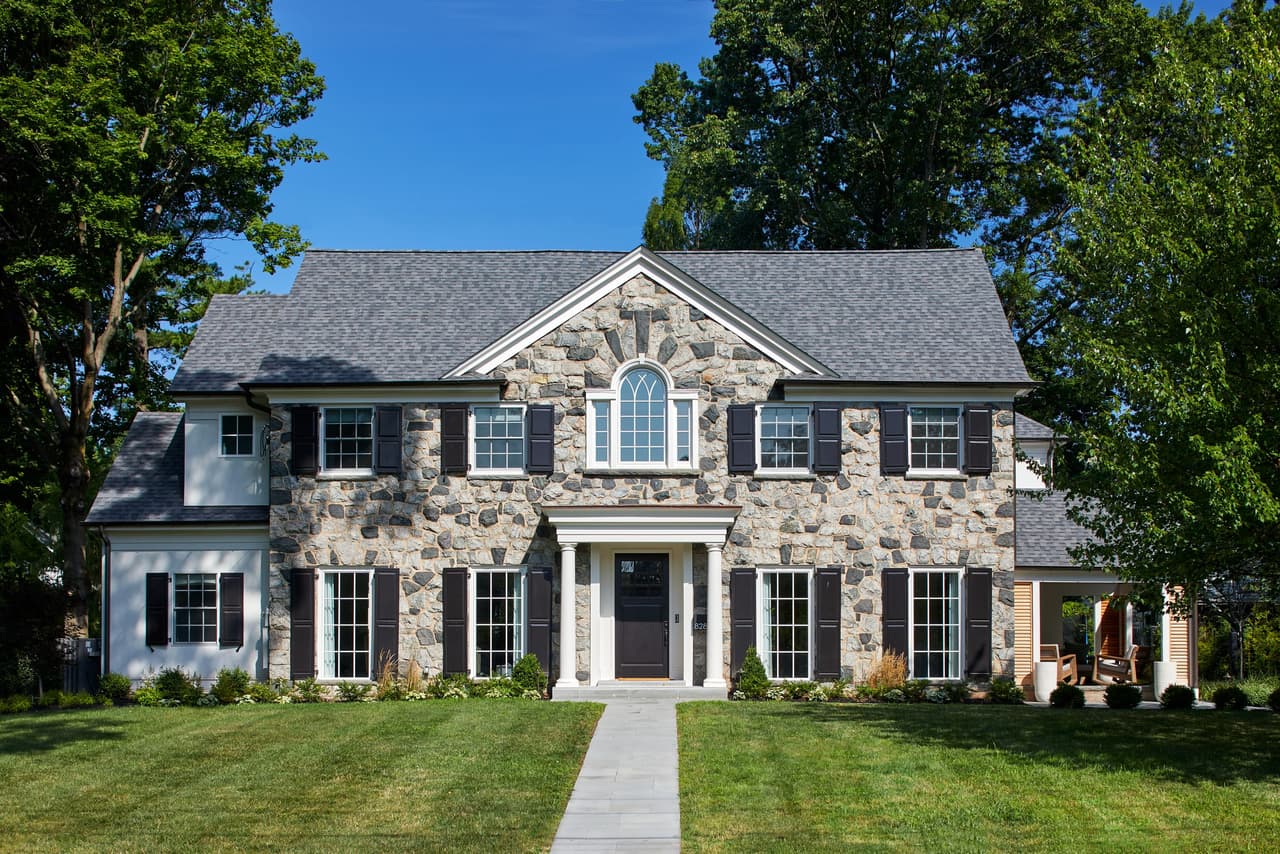
When considering purchasing a home in highly sought-after towns like Westfield and Summit in New Jersey, many homebuyers face a big decision: Should I buy an existing home to renovate or purchase a plot of land and build new? What follows is the case for the renovation route. MRC builds both ways, so this is not an argument that new construction is a mistake — it is the set of considerations that get overlooked when new construction is the assumption. On the renovations we are proudest of, the addition and the original read as one house when the work is done; that is the standard worth holding a renovation to.
Land Prices and Lack of Availability
 Buildable lots in towns like Chatham, Summit and Westfield come up rarely, so the choice is often settled by what is actually for sale rather than by preference. These towns are known for their charming neighborhoods, excellent schools, and proximity to New York City, and that demand shows up in what land costs when it does come up.
Renovating an existing home puts the investment into the house rather than into acquiring the lot — a different allocation, not automatically a smaller one.
There is also hassle and emotional cost of searching for new land, which in these towns is scarce and highly coveted. Renovating an existing property in a prime location lets you stay in the neighborhood you already chose, without waiting on land that may not come up for years.
 Endless Home Customization Opportunities
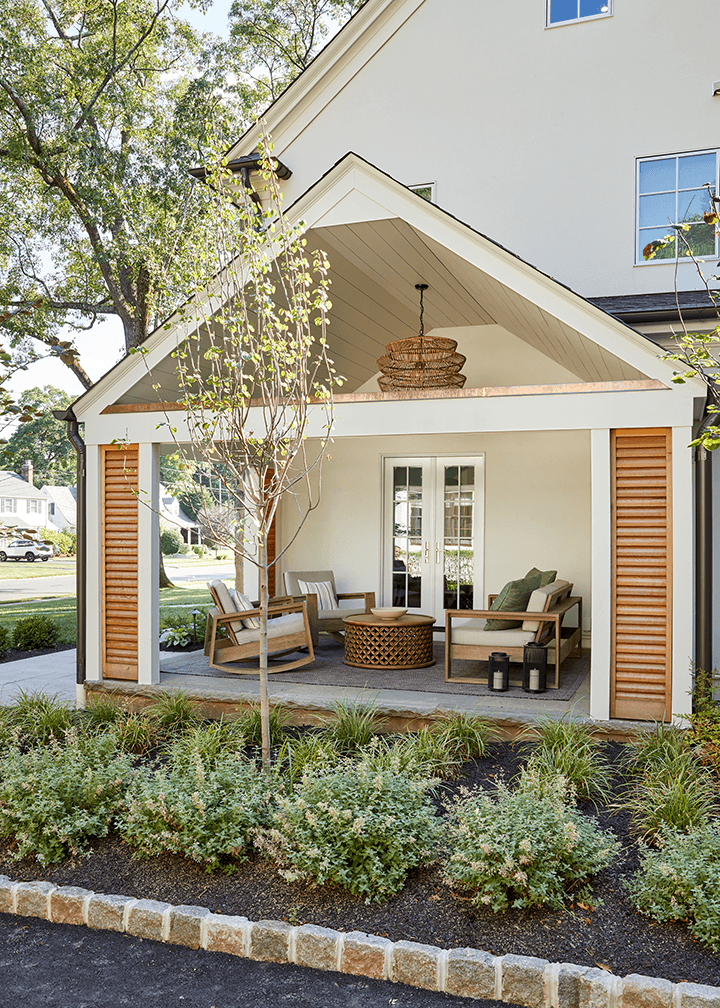
When you buy a home to renovate, you get the best of both worlds: the opportunity to customize an existing property while enjoying the character and charm of an older home (we love highlighting that sought-after charm in our renovations!). Renovations offer a chance to create a space that perfectly reflects your personal style and needs.
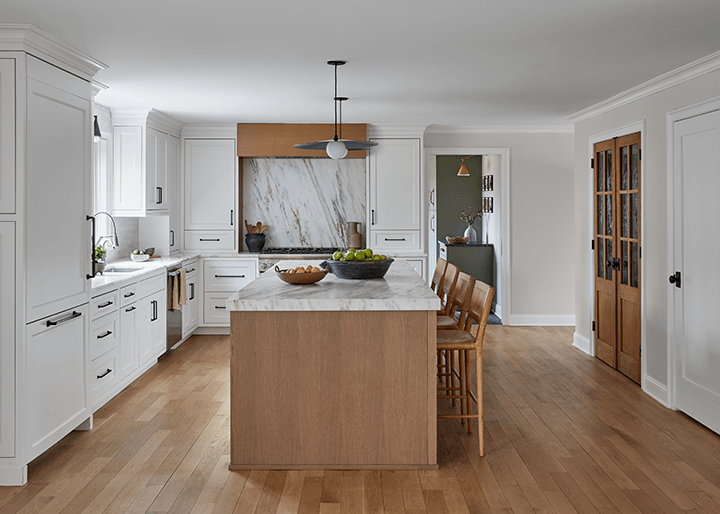
Renovations allow for highlighting a home’s unique features while enhancing it with modern amenities, creating a space that is both timeless and tailored to your family’s lifestyle. Most of our renovations involve floor plan changes, primary suite additions, larger kitchens and loads of custom, high-end finishes as well as built-ins that make the home cozy and highly functional. Whatever the client dreams are (of course, pending budget!), we can make it happen.
At Michael Robert Construction, we make it easy; with a full design/build team with architect on record, we are a one-stop shop. And for those overwhelming decisions (tiles, stone, wallpaper, lighting, plumbing fixtures, hardware, etc!!!), we have exclusive access to Ellie Mroz Design — who can continue onto furnishing your home too!
Faster Turnaround Time for Renovations vs. New Construction
Building a custom home can be a lengthy process; we estimate around 14-16 months for our custom new homes to be designed and built.
Renovating an existing house usually starts sooner, because the lot, the siting and the approvals that go with them are already settled. How much sooner depends on the scale of the work and on what the existing house turns out to be hiding.
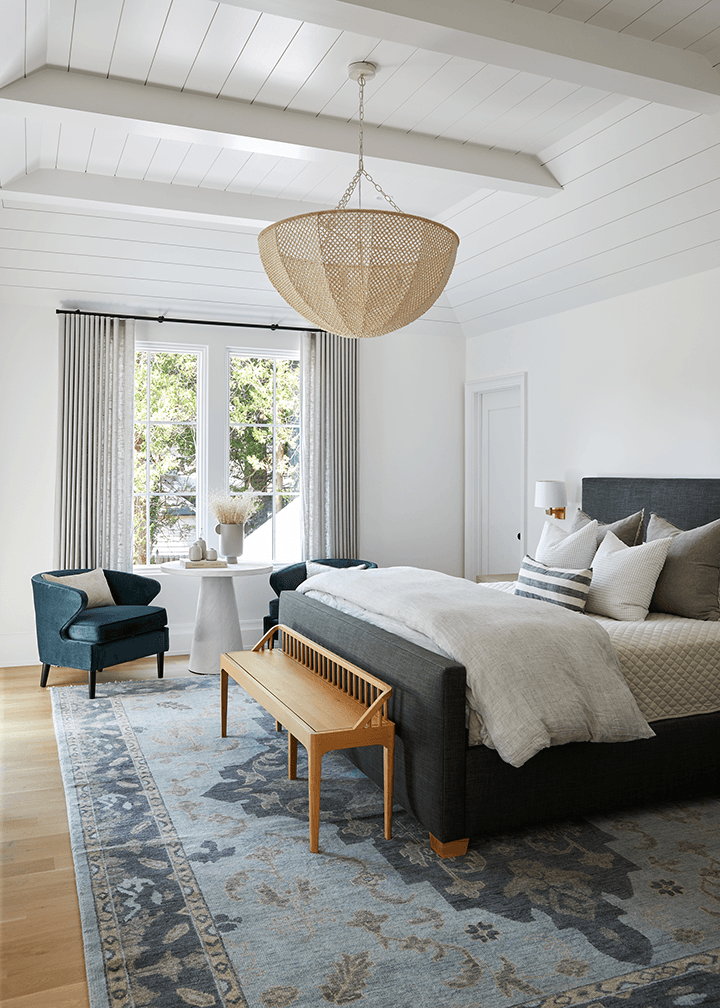 Preserving the Character of Established Neighborhoods
Towns like Summit, Cranford, Short Hills and Westfield are known for their charming neighborhoods filled with historic homes and tree-lined streets. Buying an older home in these areas allows you to preserve the character and beauty of these neighborhoods while putting your own stamp on the property. In many cases, tearing down a home and building new construction can disrupt the architectural harmony of the neighborhood, diminishing the area’s historic charm.
By purchasing an older home and renovating it, you can enhance the property while keeping the unique characteristics that make these towns so appealing.
Because at the end of the day, time spent searching for land is time not spent living in the house you already have.
Questions this raises
Is renovating always less expensive than building new?
No. The existing home's condition and the extent of change can make the comparison more complex. Evaluate the full scope of each option, including structure, systems and site work, before drawing a conclusion.
What should both options include in a comparison?
Compare the finished result you want, the work required to achieve it and the complete project investment. Also consider disruption, temporary living arrangements and the value you place on the existing home and property.