
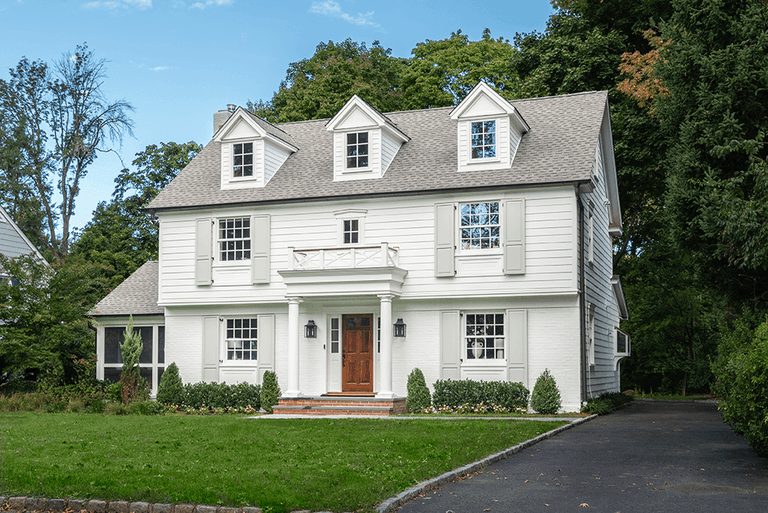
Renovating a historic home is a unique challenge that requires a balance between preserving its character and modernizing it for today’s living. No matter if you own a charming Victorian in Westfield or a century-old home in Summit, undertaking a historic home renovation can be an exciting but complex project. From understanding legal restrictions to choosing the right materials, there’s a lot to consider before starting the work. Here’s what you need to know.
Take Note of Local Regulations and Preservation Laws
Before beginning any renovation, it’s important to understand the regulations that govern historic properties in your area. In many cities, homes that are designated as historic landmarks are subject to strict preservation laws that limit the extent to which you can alter the structure or exterior. In Westfield, Summit, and surrounding towns, these laws often require you to maintain the integrity of the home’s facade and architectural features.
Work with Experts in Historic Home Renovation
A historic home renovation requires specialized knowledge. Unlike a typical home remodel, these projects often involve delicate restoration work and a deep understanding of materials that were used when the home was originally built. For example, wood framing techniques, plaster walls, and vintage windows require different approaches than modern materials and construction methods.
Preserve Key Architectural Features
One of the primary goals in a historic home renovation is to preserve the home’s character. This might include restoring original architectural elements such as crown molding, wainscoting, or antique wood floors. However, some features may no longer be functional or safe, and part of the renovation process may involve determining which aspects can be preserved and which need to be updated.
For exterior renovations, we also focus on the façade’s original look while upgrading the structure’s efficiency. If you’re looking to improve your home’s curb appeal, our exterior design & renovation services ensure that your home’s character is upheld while enhancing its overall look.
Plan for Energy Efficiency and Modern Comfort
Modernizing a historic home often involves bringing it up to today’s standards for energy efficiency, comfort, and convenience. While maintaining the home’s aesthetic appeal is important, integrating modern systems, such as updated electrical wiring, plumbing, and HVAC, is also necessary to meet your family’s needs.
Many historic homes in Westfield and Summit still have outdated heating systems, which can be inefficient and costly to operate. Our renovation services include replacing old, inefficient systems with more energy-efficient alternatives, helping you maintain comfort while reducing energy costs. Additionally, we can upgrade insulation and install modern windows that preserve the look of your home while improving its overall energy efficiency.
Budgeting and Timelines for a Historic Home Renovation
Historic home renovations can take longer and cost more than typical home improvement projects. The materials and craftsmanship required for these projects are often more expensive, and the unexpected challenges that arise, such as hidden damage or compliance with preservation guidelines, can add unforeseen costs.
It’s important to set a realistic budget and timeline for the project. Working with an experienced contractor can help you better anticipate potential issues and keep the project on track.
Protect Your Home’s Value with Thoughtful Renovations
A historic home renovation is an investment that can significantly increase the value of your property. However, it’s important to approach the project thoughtfully to ensure that the work is done in a way that adds to your home’s historical value, rather than detracts from it.
When planning your renovation, be sure to focus on projects that enhance your home’s curb appeal and functionality, rather than over-modernizing it. This will help protect the property’s market value and keep it in line with the aesthetic standards of your neighborhood.
We can help you make these decisions with our house remodels and renovations. We give advice on which updates will bring the most value to your historic home while preserving its charm and historical importance.
Before You Start
Renovating a historic home is an opportunity to preserve history while creating a modern, comfortable living space. With thoughtful planning, skilled craftsmanship, and attention to detail, your home can honor its past while serving your present and future needs.
Two of these houses are documented end to end on this site: Operation Restoration Dudley and Saving Seward Ave, both in Westfield.
Questions this raises
Does preserving character mean keeping the original layout?
No. Character can come from proportions, materials, openings and details as much as the arrangement of rooms. A thoughtful renovation identifies what is worth retaining while addressing the way the home needs to function today.
Why does an older-home renovation need early construction review?
Existing structure and systems can affect what is practical and what the work will require. Reviewing those questions during design helps the team understand the scope and the conditions that may remain uncertain until construction begins.